
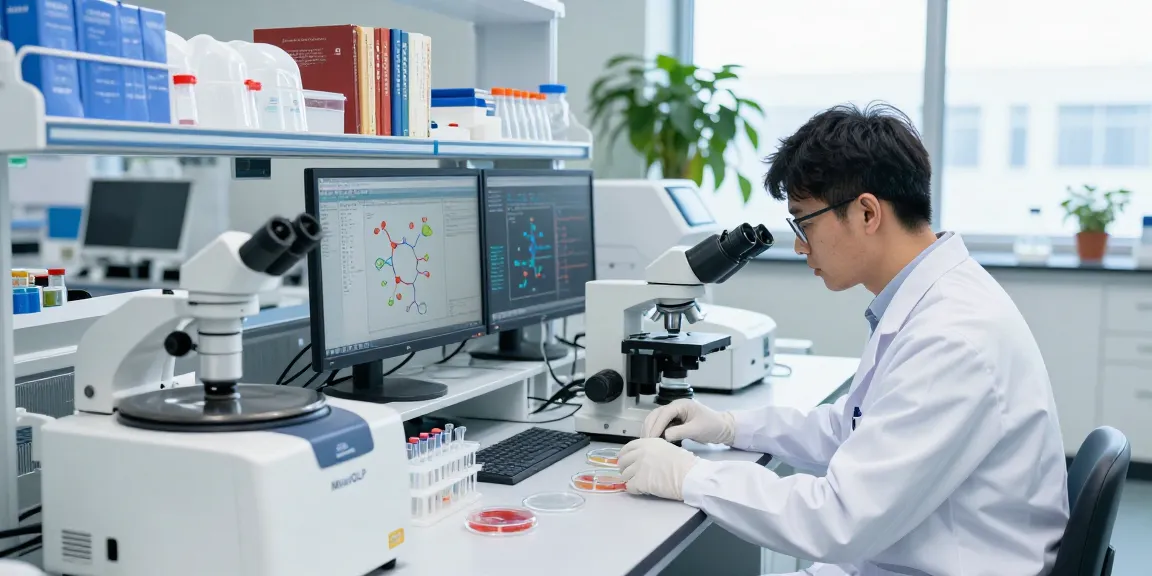
Understanding MiraviGLP: The Next Frontier in Biotechnology
As we advance deeper into the 21st century, the biotech industry is witnessing rapid transformations fueled by groundbreaking innovations. One such innovation at the forefront is MiraviGLP, a platform poised to redefine how biotechnology integrates with various sectors, from healthcare to agriculture. This comprehensive overview aims to elucidate what MiraviGLP is, its relevance in biotechnology, and its future implications.
What is MiraviGLP?
MiraviGLP is a cutting-edge biotechnology framework that employs advanced methodologies to enhance research capabilities, streamline drug development, and optimize agricultural efforts. Its foundation lies in leveraging genetic and proteomic data to derive insights that foster innovation across multiple domains. By integrating these technologies, MiraviGLP facilitates a more nuanced understanding of complex biological systems, which is crucial for developing targeted therapies and improving crop resilience.
Core Principles and Applications in Biotechnology
At its core, MiraviGLP operates on several fundamental principles that drive its functionality:
- Data Integration: It harmonizes data from various sources, including genomics, transcriptomics, and metabolomics, to provide a comprehensive overview of biological processes.
- Precision Analytics: Utilizing artificial intelligence and machine learning, MiraviGLP creates predictive models that can identify potential drug candidates or agricultural enhancements.
- Collaboration: It fosters interdisciplinary collaboration by providing a common platform where researchers from diverse backgrounds can share insights and findings.
The applications of MiraviGLP extend into several crucial areas within biotechnology, making it an integral part of modern research endeavors.
Why MiraviGLP Matters for Future Innovations
MiraviGLP is not just another tool in the biotech toolkit; it represents a paradigm shift towards more efficient and effective biotechnological solutions. Its potential for personalized medicine is particularly significant. By tailoring treatments based on individual genetic profiles, healthcare providers can enhance therapeutic efficacy and minimize adverse reactions. Additionally, its role in sustainable agriculture cannot be understated, as it helps identify strategies to increase yield while reducing environmental impact.
Industry Applications of MiraviGLP
Drug Development and Testing Processes
The pharmaceutical industry is increasingly leveraging MiraviGLP to enhance drug development timelines and success rates. With the ability to simulate various biological environments in silico, researchers can identify effective compounds before moving to costly clinical trials. This predictive capability not only accelerates the process but also reduces the financial burden on pharmaceutical companies, ensuring that resources are allocated more efficiently.
Applications in Genomics and Personalized Medicine
In genomics, MiraviGLP plays a crucial role in sequencing and analyzing genetic data, allowing for the identification of novel biomarkers for diseases. By analyzing these biomarkers, researchers can create tailored treatment plans that consider an individual’s unique genetic makeup. This personalization extends beyond oncology to other fields such as cardiology and neurology, paving the way for more effective healthcare solutions.
Enhancing Agricultural Biotechnology
With the global population projected to reach 9 billion by 2050, enhancing agricultural productivity is more critical than ever. MiraviGLP provides tools for developing genetically modified organisms (GMOs) that are more resistant to pests and capable of thriving in adverse climate conditions. This is vital for ensuring food security and sustainability in an era of climate change.
Challenges and Considerations in Implementing MiraviGLP
Regulatory Compliance and Ethical Considerations
Despite its many advantages, the implementation of MiraviGLP is fraught with challenges, particularly regarding regulatory compliance. Biotechnological advancements often face scrutiny from regulatory bodies tasked with ensuring safety and efficacy. To navigate these complexities, companies must stay updated on evolving regulations and engage in transparent communication with stakeholders to address ethical concerns surrounding genetic modifications and data privacy.
Common Challenges Faced by Researchers
Researchers employing MiraviGLP may encounter several common challenges, including:
- Data Quality: Ensuring the accuracy and completeness of data inputs is crucial for reliable outputs.
- Interdisciplinary Collaboration: While collaboration is a strength of MiraviGLP, aligning diverse teams can be challenging due to differing terminologies and methodologies.
- Technical Barriers: Users may face a learning curve in adopting new technologies and analytics platforms.
Strategies for Overcoming Implementation Obstacles
To mitigate these challenges, researchers can adopt several strategies:
- Training Programs: Invest in comprehensive training for team members to ensure proficiency in using MiraviGLP.
- Standard Operating Procedures (SOPs): Develop clear SOPs to streamline processes and enhance data quality.
- Active Communication: Foster open lines of communication within interdisciplinary teams to cultivate a shared understanding of goals and methodologies.
Best Practices for Leveraging MiraviGLP
Integrating MiraviGLP into Your Research Workflow
For successful integration of MiraviGLP, establish a framework that allows for iterative testing and feedback. This involves regularly revisiting research objectives and aligning them with MiraviGLP’s capabilities, ensuring that all team members are on board with the methodology and objectives.
Collaborative Approaches in Biotechnology Research
Harnessing the full potential of MiraviGLP requires collaboration among various research fields. By forming partnerships with institutions and organizations across disciplines, biotechnology professionals can share insights and resources, leading to more robust research outcomes.
Tools and Technologies to Enhance Research Quality
Adopting complementary technologies can significantly enhance the effectiveness of MiraviGLP. Utilizing tools for data visualization, cloud computing, and integrated laboratory management systems can streamline workflows and improve the quality of research findings.
Future Trends: What’s Next for MiraviGLP?
Predictions for Biotechnology in 2026 and Beyond
As we look ahead to 2026 and beyond, the role of MiraviGLP in biotechnology will only continue to expand. Predictions indicate a shift towards more fully integrated biotech ecosystems where data flows seamlessly across platforms, enhancing the decision-making processes for researchers and practitioners alike.
Emerging Technologies and Innovations to Watch
Several emerging technologies are set to complement MiraviGLP, including advancements in gene editing (e.g., CRISPR), artificial intelligence in drug discovery, and sustainable agricultural practices. These innovations will enhance the efficiency and efficacy of research, leading to more impactful biotechnology applications.
Expert Insights on Next-Gen Biotechnology Developments
Industry experts emphasize the importance of adaptability in biotechnology. As new technologies emerge, researchers must remain agile, continuously updating their skills and knowledge base to leverage innovations effectively while maintaining ethical standards.
What are the key benefits of MiraviGLP in biotechnology?
MiraviGLP offers numerous benefits, including enhanced data integration, accelerated drug development timelines, and support for personalized medicine initiatives. By enabling more precise analytics, it empowers researchers to make informed decisions and develop innovative solutions.
How does MiraviGLP enhance drug development processes?
Through its predictive modeling capabilities, MiraviGLP allows researchers to identify viable drug candidates earlier in the development process, reducing the risk of failure in later stages and optimizing resource use.
What challenges might arise when adopting MiraviGLP?
Challenges include navigating regulatory landscapes, ensuring data quality, and fostering interdisciplinary collaboration among research teams. Addressing these challenges requires proactive planning and strategic implementation.
How can biotechnology professionals stay updated on MiraviGLP trends?
Professionals can stay informed by participating in industry conferences, subscribing to biotechnology journals, and engaging in online forums related to MiraviGLP and related technologies.
What role does MiraviGLP play in sustainable practices?
By improving agricultural productivity and reducing the environmental impact of biotech processes, MiraviGLP significantly contributes to sustainable practices within the industry, promoting a balance between innovation and ecological responsibility.